Reference
Galle Facts: History, Geography and Seasons
A reference page of checked facts about Galle, kept deliberately conservative: where numbers are approximate we say so, and where sources disagree we leave the claim out.
- Province
- Southern, provincial capital
- From Colombo
- About 125 km, 1.5 to 2 hours
- Fort origins
- Portuguese 1588, Dutch 1649
- UNESCO status
- World Heritage since 1988
- Season
- December to April
- Galle Face Hotel
- In Colombo, not Galle
Geography
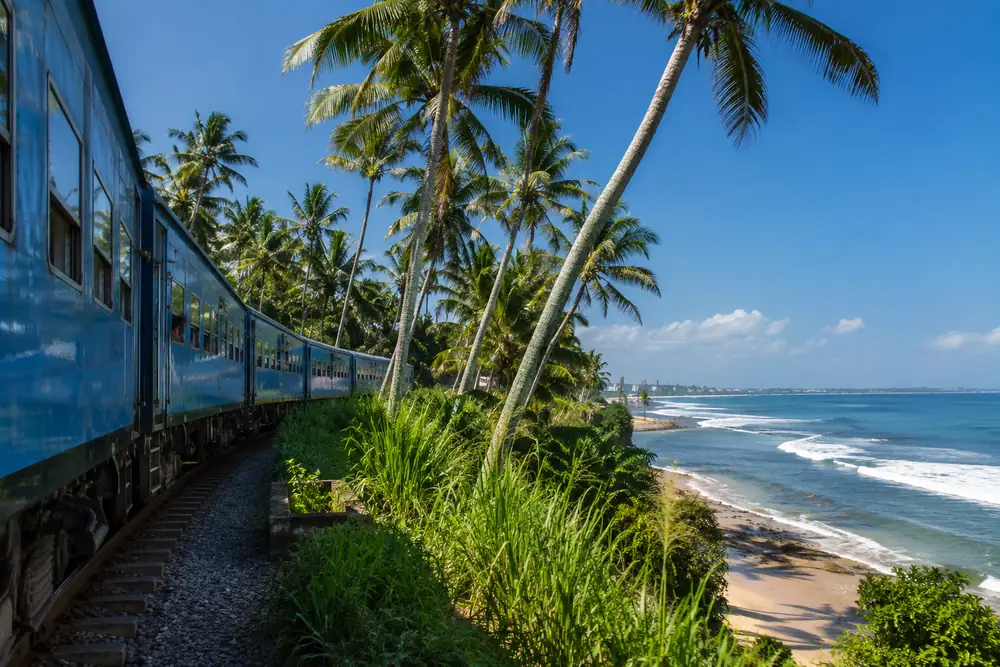
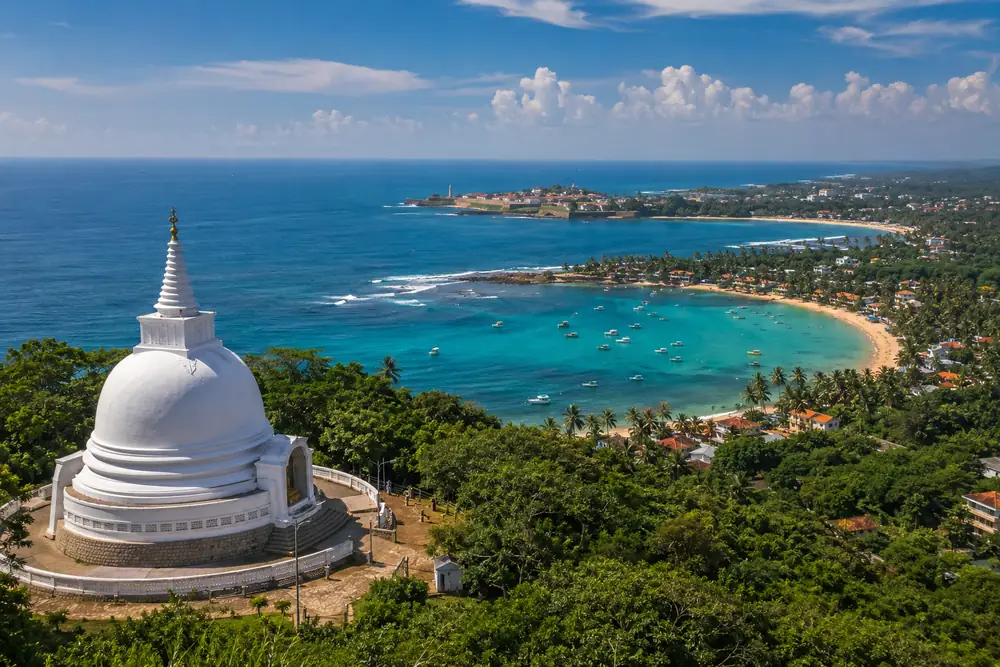
Galle is a port city on Sri Lanka's southwest coast and the capital of the Southern Province, about 125 kilometers from Colombo via the Southern Expressway, typically 1.5 to 2 hours by road. The coastal railway from Colombo Fort takes around 2 to 2.5 hours along one of Asia's most scenic seaside lines.
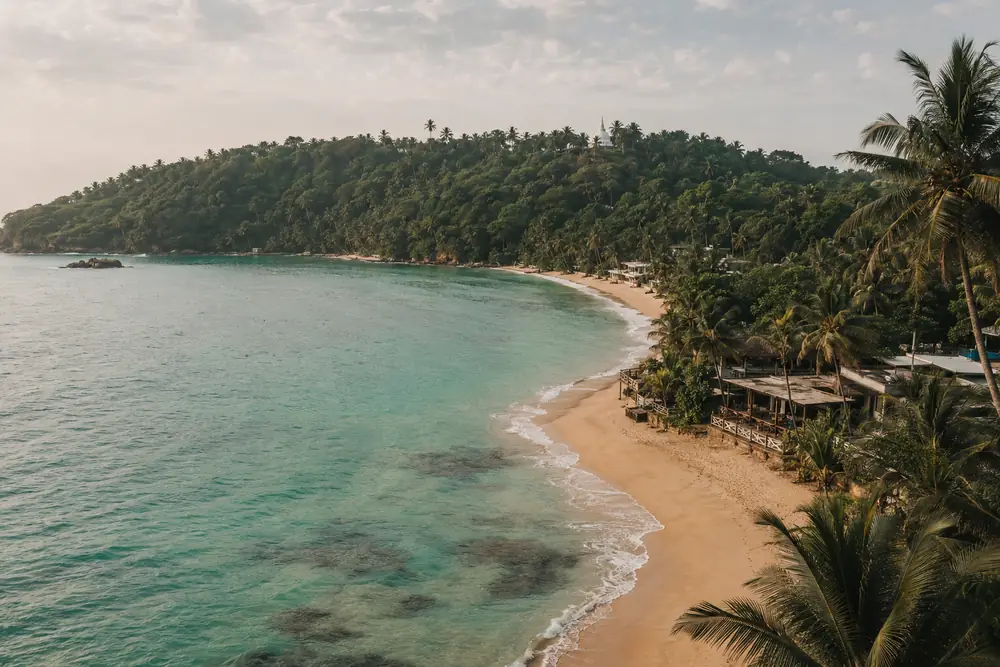
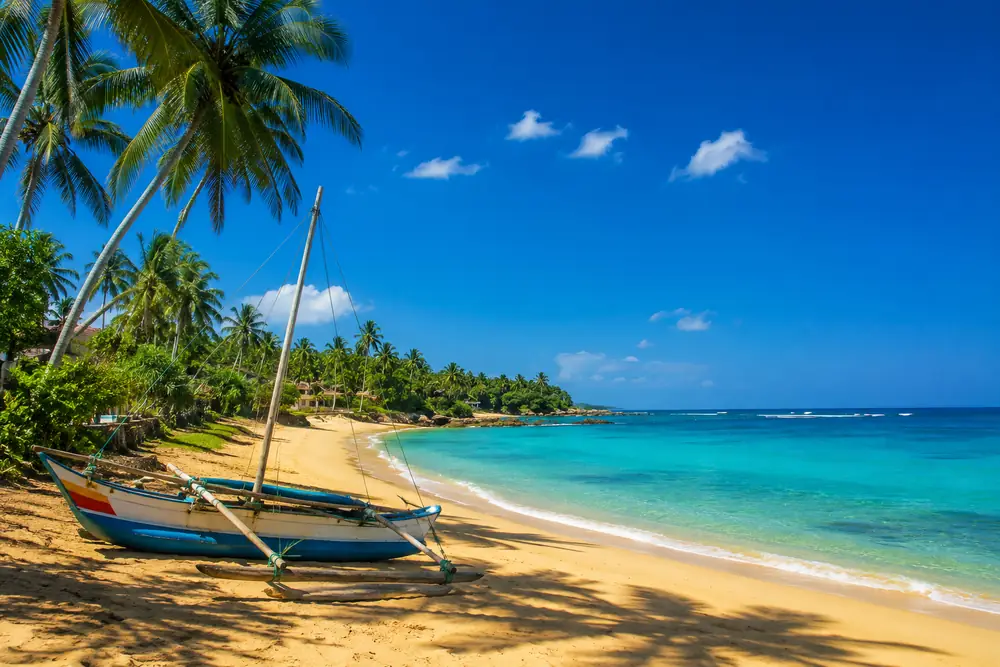
The famous beaches bracket the city: Unawatuna about 6 kilometers east, the Thalpe and Dalawella villa coast about 10, the Ahangama surf stretch about 20, and Hikkaduwa about 19 kilometers northwest. Distances are approximate and rounded on purpose.
The Fort
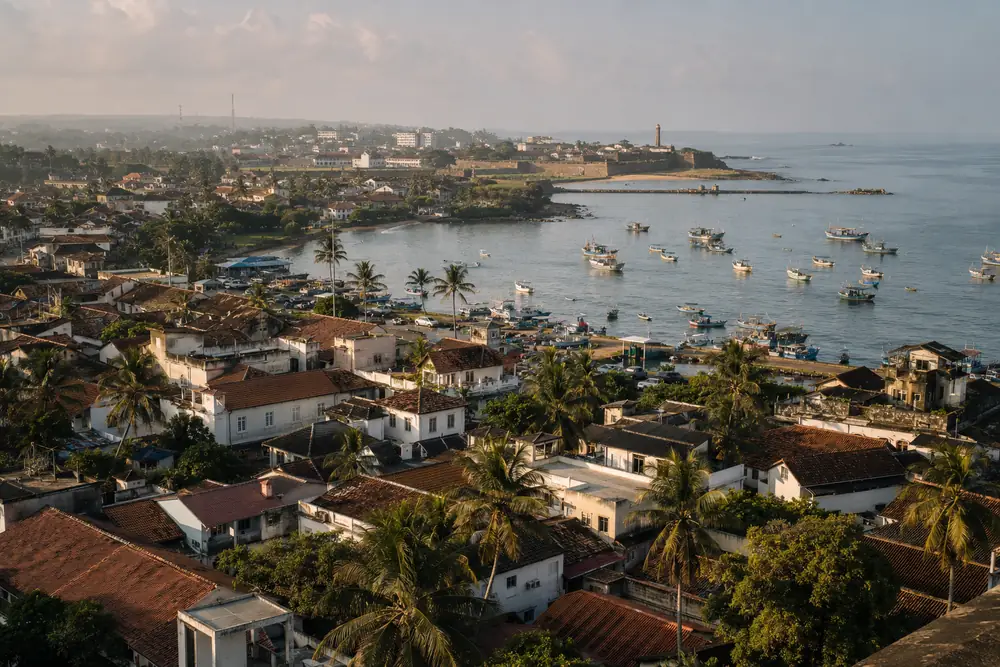
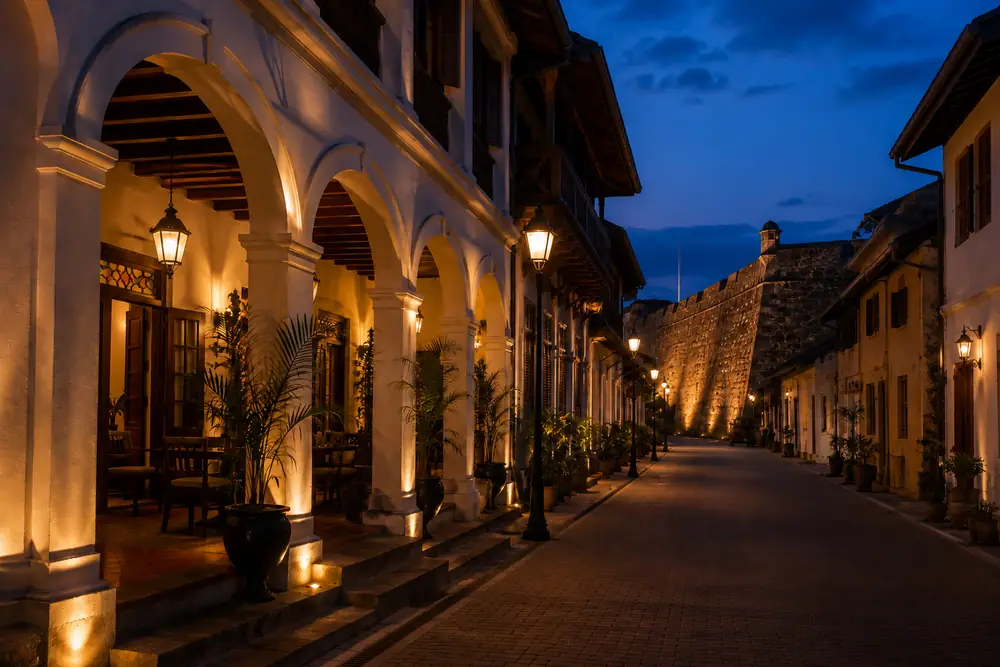
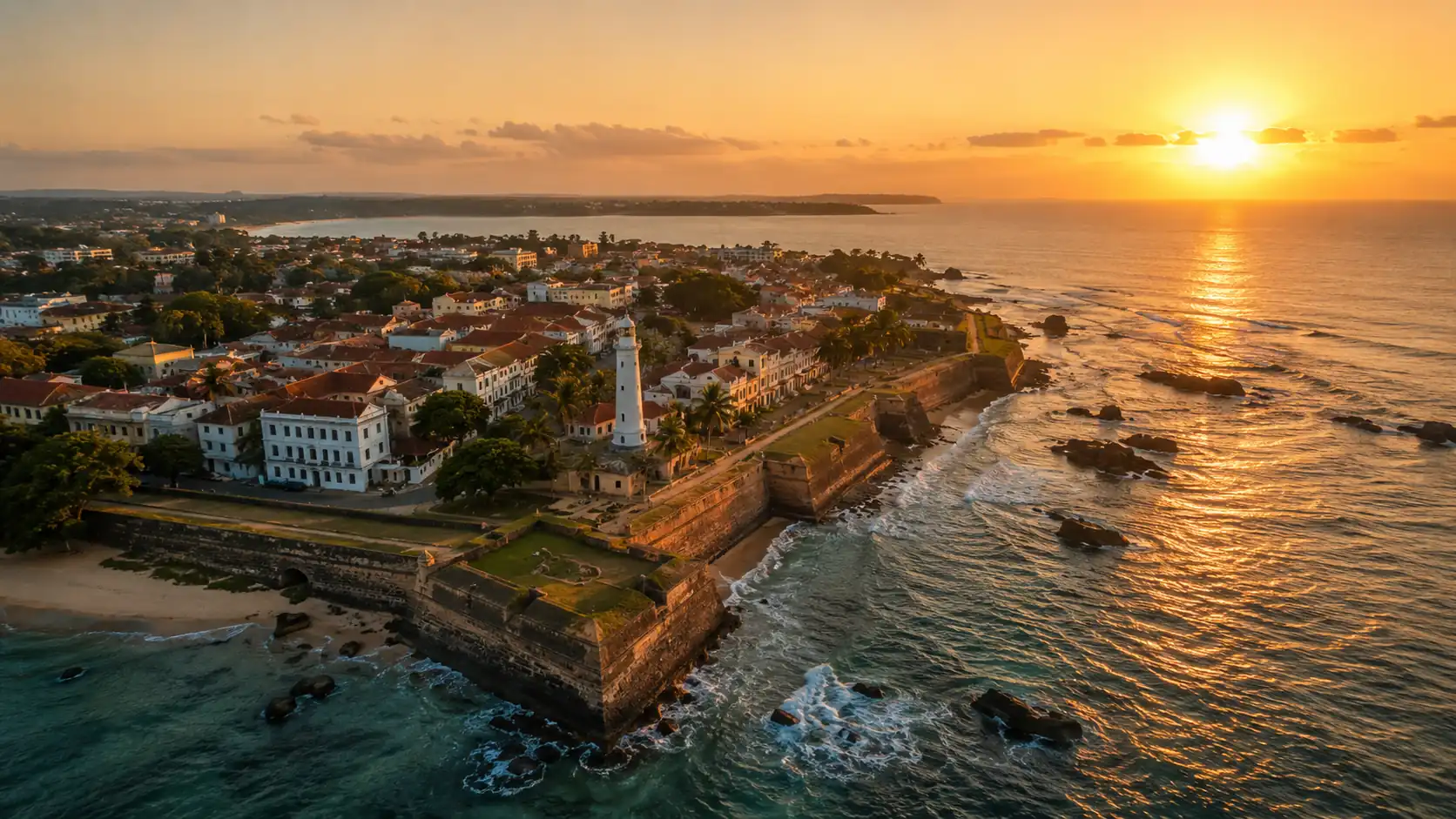
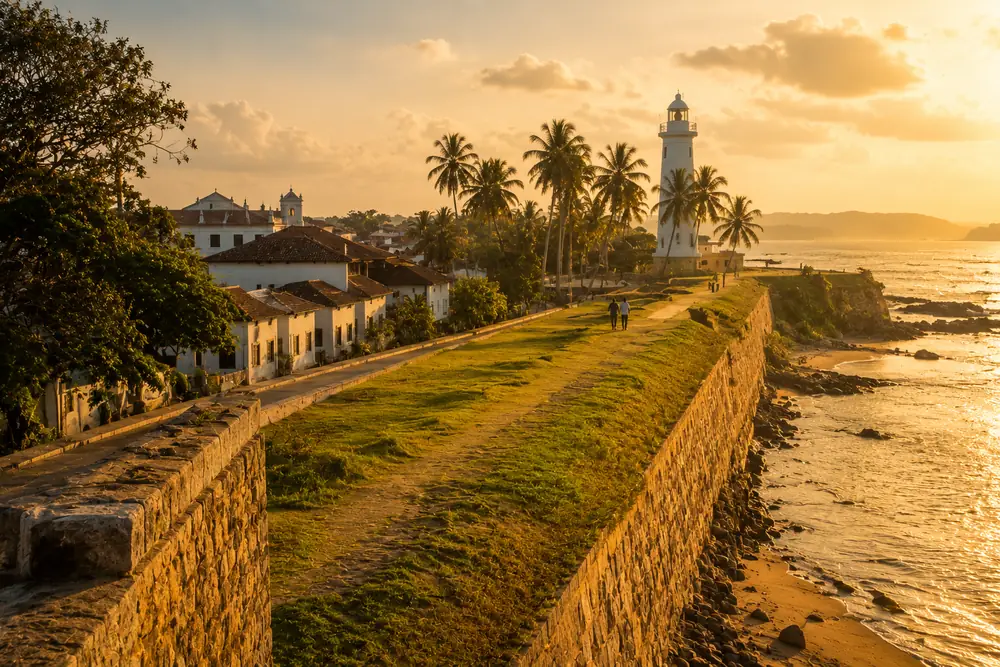
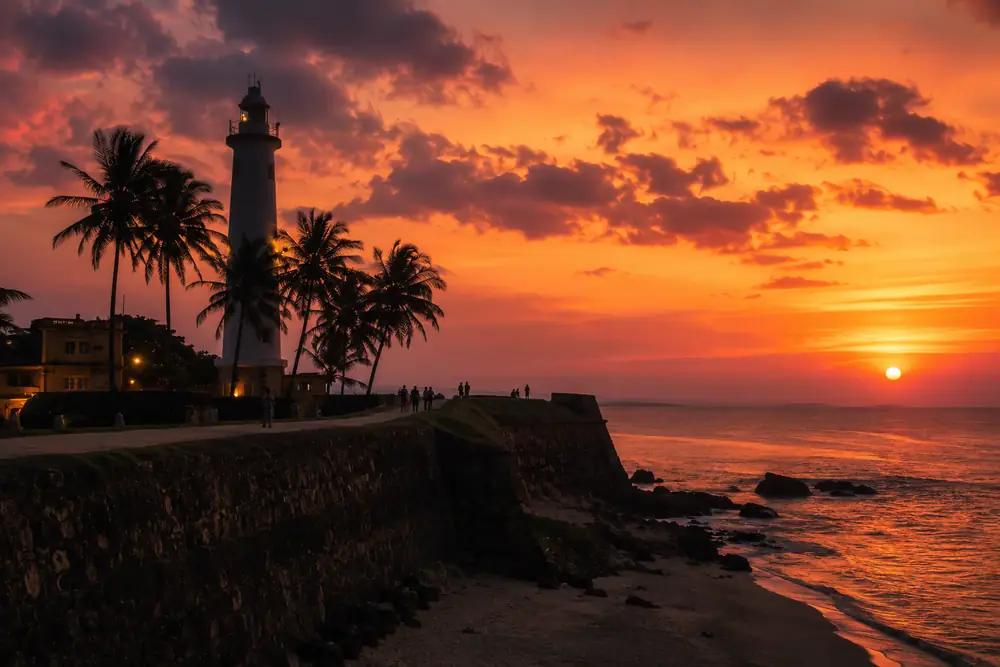
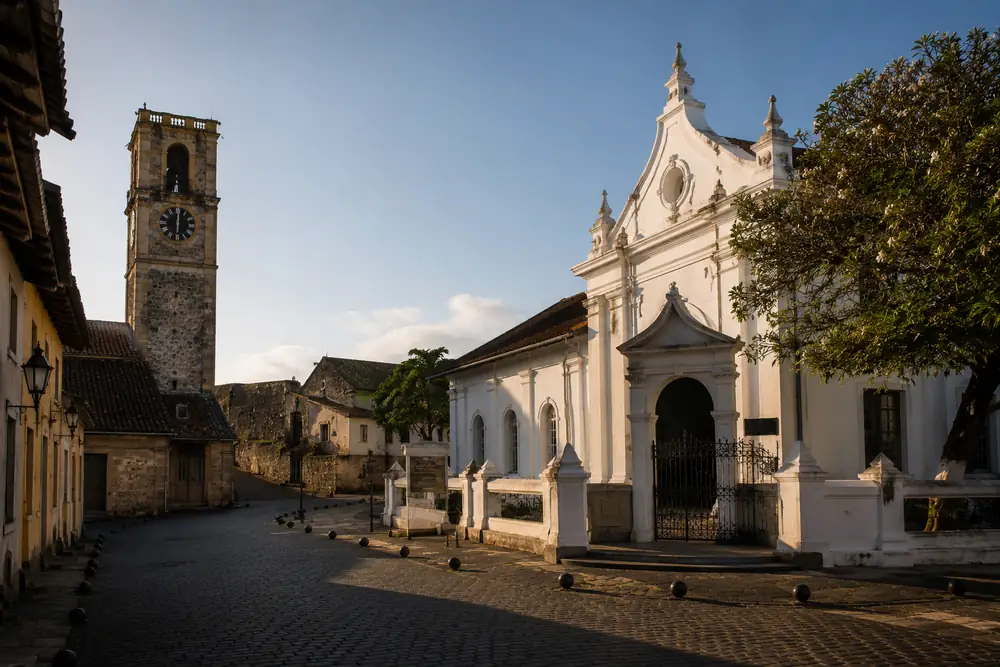
Galle Fort was first fortified by the Portuguese from 1588 and then extensively rebuilt by the Dutch East India Company from 1649 onward, whose ramparts and street grid survive remarkably intact. It has been a UNESCO World Heritage Site since 1988 and is widely described as the largest remaining European-built fortress in South Asia.
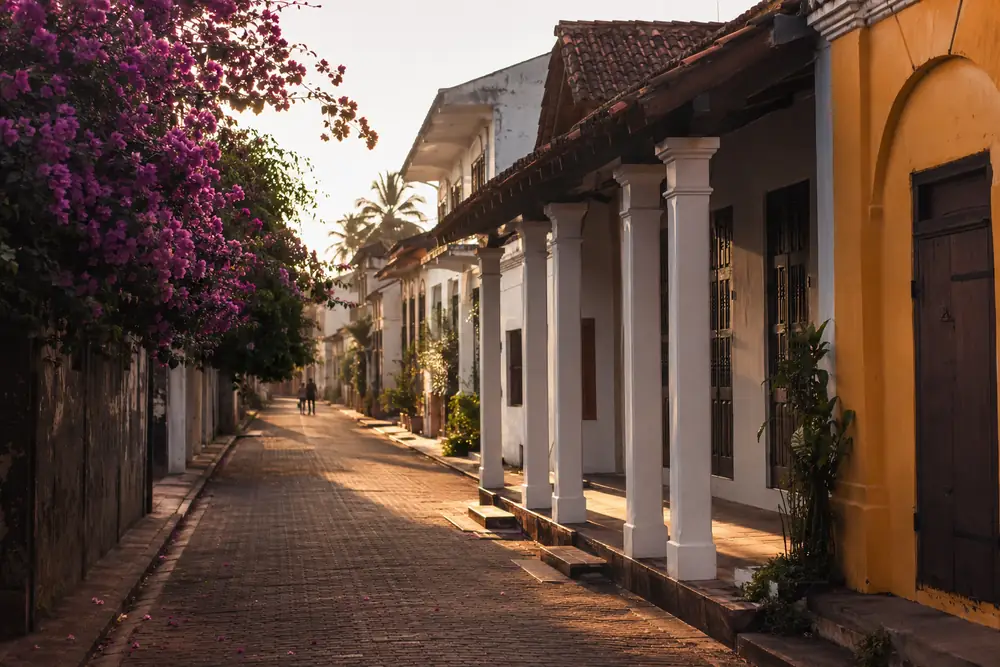
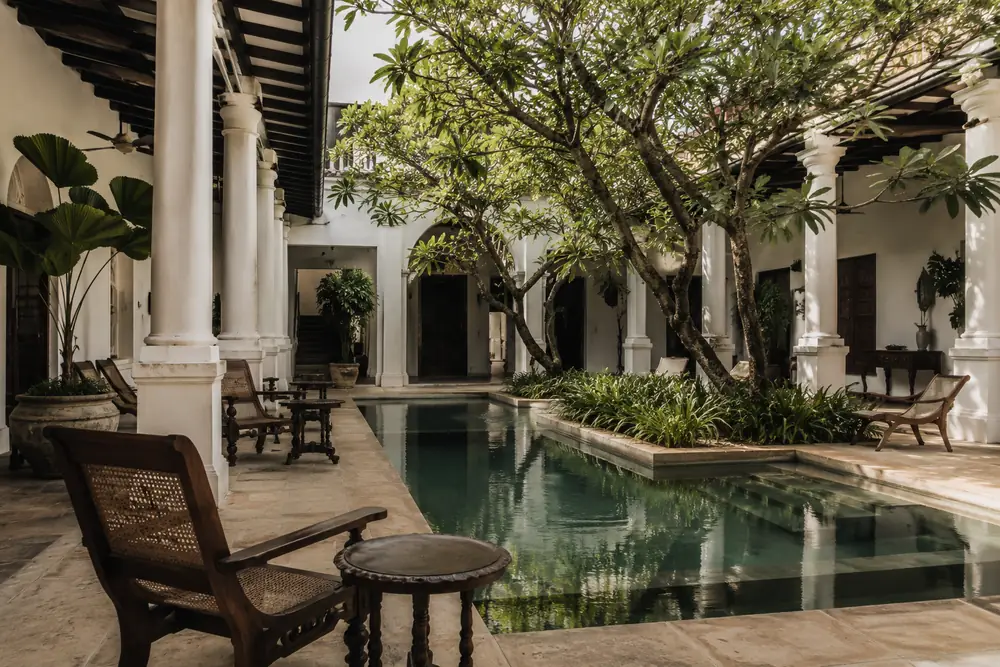
Inside the walls stand the Dutch Reformed Church from the 1750s, the old warehouses and administrative buildings, the 1930s lighthouse at the seaward corner, and streets of colonnaded merchant houses now serving as hotels, cafés and boutiques.
Not the Galle Face Hotel
A persistent confusion deserves its own paragraph: the Galle Face Hotel is a historic hotel in Colombo, standing on Galle Face Green about 120 kilometers north of Galle city. The green and the hotel take their name from the old road toward Galle, not from the city itself. Travelers searching for that hotel should look to Colombo; this guide covers hotels in and around Galle city and its Fort.
History and the 2004 tsunami
Galle has been a trading harbor for well over a millennium, known to Arab, Chinese and later European merchants, and it served as Ceylon's main port before Colombo's rise in the 19th century. The 2004 Indian Ocean tsunami struck the city and this coast with devastating force; the Fort's Dutch ramparts famously shielded the old town, while areas outside the walls and along the coast suffered heavy loss. The Peraliya rail disaster near Hikkaduwa, where a crowded train was swept away, remains among the deadliest in railway history.
Seasons
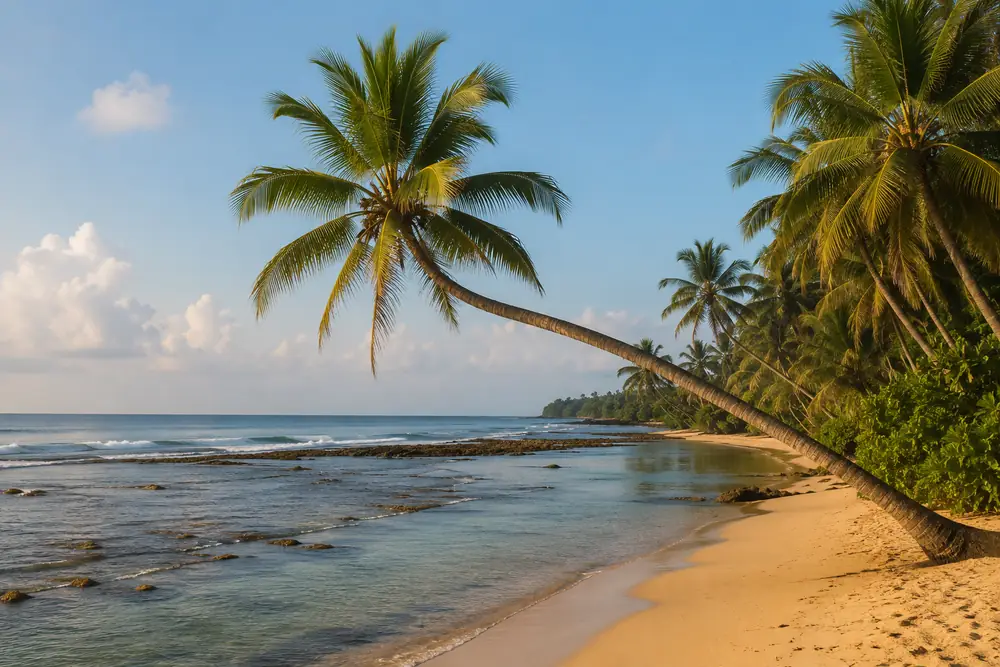
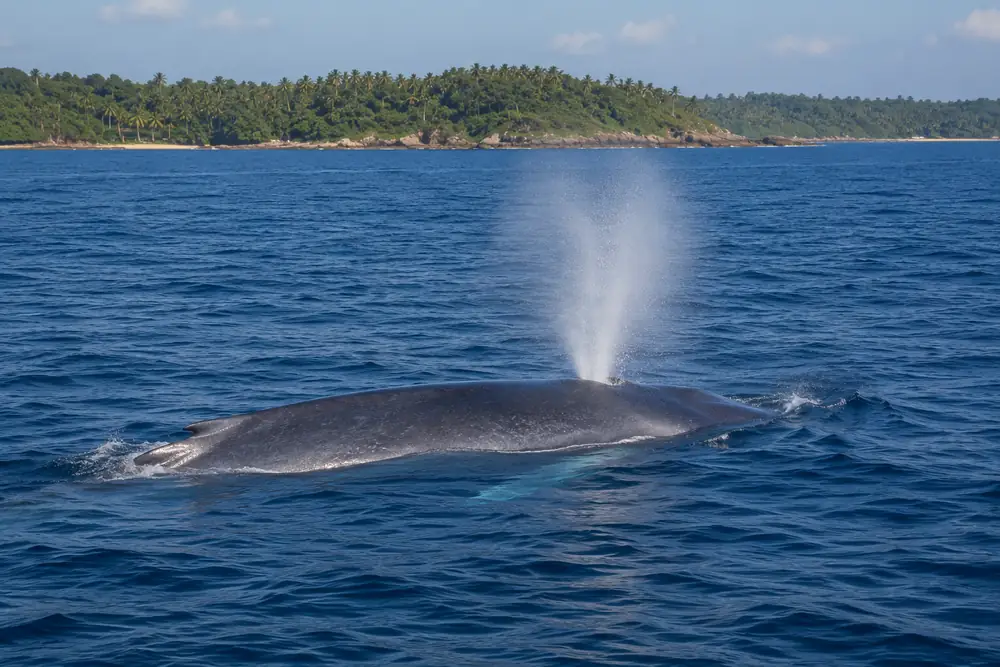
The south coast season runs roughly December to April: driest weather, calmest seas, best swimming. The southwest monsoon governs roughly May to September, bringing more rain and rougher water, though the Fort's appeal is year-round. Whale-watching season from nearby Mirissa aligns with the dry months.
Quick answers
Why is Galle Fort famous?
It is the best-preserved European colonial townscape in South Asia: Portuguese origins from 1588, Dutch ramparts and streets from 1649 onward, and UNESCO World Heritage status since 1988.
Is the Galle Face Hotel in Galle?
No, it is in Colombo, on Galle Face Green, about 120 kilometers north of Galle city. The names share a root but the places are far apart.
Did the 2004 tsunami hit Galle?
Yes, severely. The Fort's ramparts protected the old town, but the surrounding city and coast suffered heavy destruction and loss of life.
Independent guide content, last reviewed July 2026. No hotel names, ratings or prices are listed until verified listings exist.
Related guides
Galle Travel Guide
The complete independent Galle travel guide: where to stay, the Fort, the beaches from Unawatuna to Hikkaduwa, the season, getting there and planning the trip.
Read GuideGalle Fort Hotels
Independent guide to Galle Fort hotels: heritage mansions, boutique stays, what the Fort is like after dark, and who should stay at the beach instead.
Read GuideBest Time to Visit Galle
When to visit Galle: the December to April season explained, month by month, what the monsoon really means, and why the Fort works year-round.
Read GuideThings to Do in Galle Beyond the Beach
The best things to do in Galle: the Fort's ramparts and streets, whale watching from Mirissa, turtles, the palm swing, stilt fishermen, Koggala Lake and more.
Read GuideHotel Directory Coming Soon
We are building an independent hotel directory for Galle. Hotel owners can register early interest now.